

Reviews of Inception
Reviews of Inception often describe the film as one of the most intelligent and ambitious movies of the modern era. Directed by Christopher Nolan, Inception blends action, science fiction, and psychological drama into a layered cinematic experience. The story follows Dom Cobb, a skilled thief who steals information by entering people’s dreams. His latest mission offers a chance at redemption, but it also forces him to confront guilt and unresolved memories. Instead of relying only on spectacle, Inception challenges viewers to actively engage with its ideas. This approach makes the film both entertaining and thought-provoking.
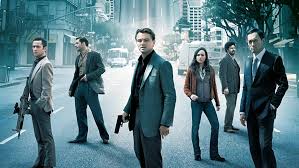
Story and Dream-Within-a-Dream Structure
Inception’s narrative revolves around the concept of shared dreaming. Rather than explaining everything through dialogue, the film uses visual storytelling to guide the audience. Each dream level operates under its own rules, yet all layers remain connected. This structure creates tension and keeps the story focused.
The film balances complexity with clarity. Nolan introduces concepts step by step, allowing viewers to follow the plot without feeling lost. As the mission progresses, time slows differently in each dream layer. This mechanic raises the stakes and adds urgency to every decision. The narrative never feels random because every rule has consequences.
If you enjoy complex storytelling like this, you can explore more movie reviews on Cinefy that focus on intelligent, high-concept films.
Performances and Character Depth
Leonardo DiCaprio delivers a strong and controlled performance as Dom Cobb. His character feels driven yet fragile, especially when memories of his wife Mal threaten the mission. These emotional struggles give the film depth beyond its concept.
Joseph Gordon-Levitt, Tom Hardy, and Elliot Page each bring energy and balance to the ensemble cast. Their characters serve clear roles without feeling one-dimensional. Marion Cotillard’s performance adds emotional weight and psychological tension. The cast works together seamlessly, which helps ground the film’s complex ideas.
Visual Effects, Action, and Music
Inception features some of the most iconic visual sequences in modern cinema. Scenes like the rotating hallway fight and the folding cityscape remain memorable years later. These effects are practical and purposeful rather than excessive.
Hans Zimmer’s score plays a major role in building tension. The music enhances action scenes while also reinforcing emotional moments. Instead of overpowering the film, the soundtrack supports its rhythm and atmosphere. The combination of visuals and sound creates an immersive experience that pulls viewers deeper into the story.
For a deeper explanation of the film’s concept and production, you can refer to Inception (film) Wikipedia page, which provides reliable background information.
Themes and the Ending Explained
Inception explores themes of reality, guilt, and perception. The film questions how memories shape identity and how far people go to escape regret. These ideas appear consistently throughout the story and connect every major scene.
The ending remains one of the most discussed aspects of the film. Nolan intentionally leaves it open to interpretation. Instead of providing clear answers, the conclusion invites viewers to decide what reality means for themselves. This ambiguity keeps the film relevant and encourages repeat viewings.
Final Verdict
Most reviews of Inception agree that the film succeeds because it respects the intelligence of its audience. It delivers action, emotion, and complex ideas without compromising clarity. Every scene serves a purpose, and the pacing remains tight throughout.
Inception stands as a benchmark for modern science-fiction cinema. For viewers who enjoy movies that challenge the mind while delivering strong performances and visuals, Inception remains an unforgettable experience.
More from our blog
See all posts






Recent Posts
- The Umbrella Academy September 12, 2025
- Parasite September 12, 2025
- Batman: The Dark Knight September 12, 2025